
Woke up with a red, sticky eye—but not sure if you really need antibiotics? Not all conjunctivitis is bacterial; many cases are viral or allergic, and using the wrong drops can delay recovery or irritate the surface. At Dr Diyana Eye Specialist Clinic, we provide a same-day, slit-lamp assessment to confirm the cause and tailor safe treatment. If discharge is mild and the eye mostly itches, allergy is likely and we’ll guide relief within allergy & dry eye; if you wear contact lenses or have light sensitivity, we’ll check the cornea carefully and protect the surface through cornea & anterior segment. New patients can arrange a quick evaluation via general eye services, and if you develop severe pain, sudden vision changes, intense photophobia, trauma or chemical exposure, please seek urgent help through eye trauma & emergency care. Ready to get the right treatment the first time? Book a consultation and we’ll confirm whether antibiotics are truly needed.
What Type of Conjunctivitis Is It?
Not all “pink eye” needs antibiotics. Viral conjunctivitis usually causes watery discharge and often follows a cold; allergic conjunctivitis is dominated by itch and stringy, clear mucus; bacterial conjunctivitis tends to have thicker discharge and lashes stuck on waking. These patterns are described in patient-friendly resources like the NHS conjunctivitis overview and the CDC’s pink eye guide. We confirm the cause with a slit-lamp exam, then tailor care inside general eye services so you avoid unnecessary medication.
When Are Antibiotics Actually Needed?
Antibiotic drops treat bacterial conjunctivitis; they won’t help viral or allergic cases and may irritate the surface if used unnecessarily. If we confirm bacterial features—or if you’re at higher risk of complications—we’ll prescribe a safe regimen and explain how to use it correctly. Guidance from the American Academy of Ophthalmology and the NHS treatment section notes that many mild cases resolve without antibiotics, which is why diagnosis matters before treatment. If signs point to allergy instead, we shift to surface-friendly relief through allergy & dry eye.
Contact Lens Wearers: Different Rules
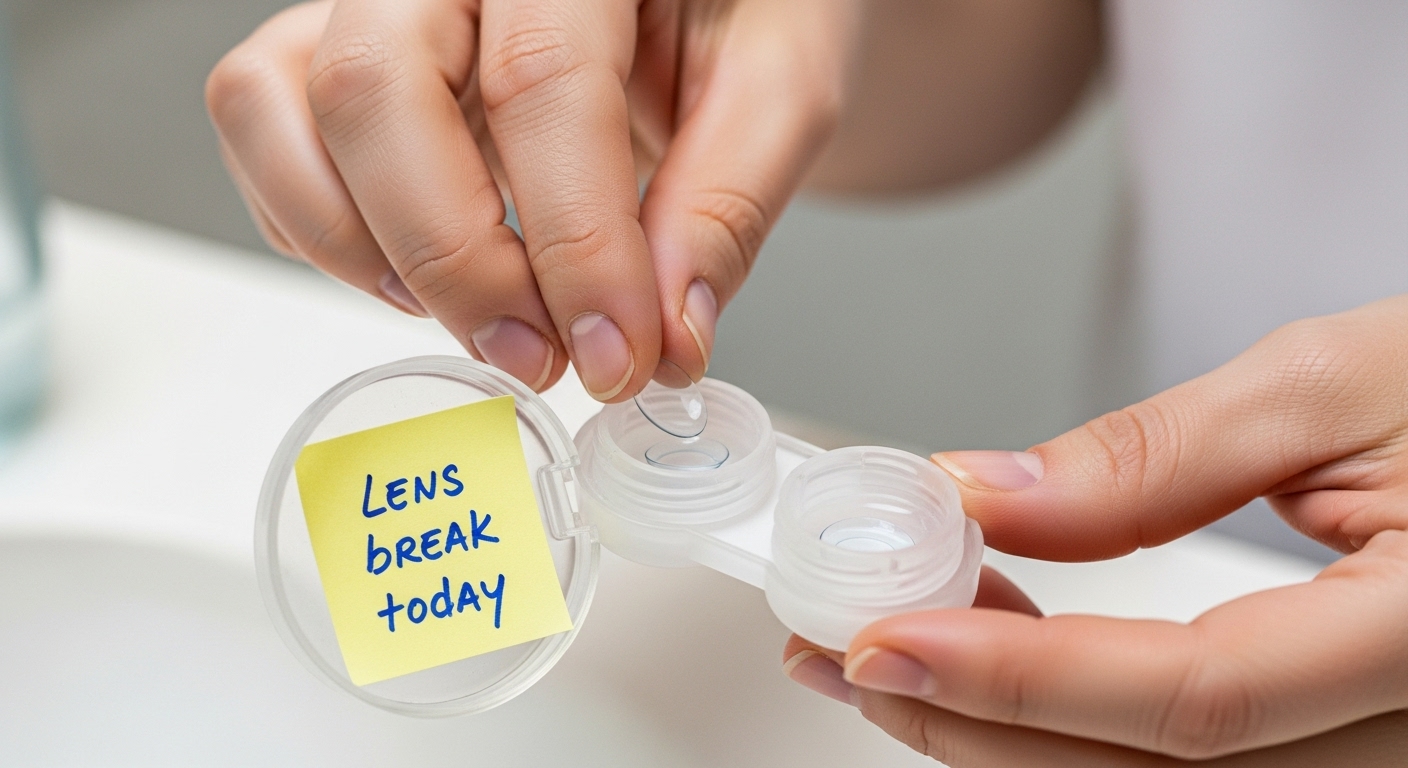
If you wear contact lenses and develop a red, painful or light-sensitive eye, stop lenses immediately—lenses can increase the risk of corneal infection that mimics simple conjunctivitis. We prioritise a same-day corneal check and manage recovery under cornea & anterior segment; if symptoms are severe, please use our urgent pathway via eye trauma & emergency care.
Safe Symptom Relief While You Recover
For viral or allergic cases, comfort and hygiene make the biggest difference: use preservative-free lubricants, apply cool compresses, and avoid touching or rubbing the eyes. Practical do’s and don’ts from the CDC and NHS self-care advice include washing hands often, avoiding shared towels/pillows, replacing eye cosmetics, and pausing contact lenses until the surface is settled. If itch is dominant, we’ll add a dual-action antihistamine/mast-cell stabiliser within allergy & dry eye. Only use steroid drops if we prescribe them—unsupervised steroids can worsen infections.
How Contagious Is “pink Eye,” and When Can I Return To Work Or School?
Viral conjunctivitis spreads easily through hands and surfaces, so strict hygiene helps protect family and colleagues; some people remain contagious while eyes are red and watery, a point emphasised by the CDC’s prevention guidance. Bacterial cases are generally less contagious after starting appropriate antibiotics; we’ll advise a personalised return-to-work or school plan during your visit in general eye services.
Red Flags That Aren’t “just Conjunctivitis”
Please seek urgent assessment if you have severe pain, marked light sensitivity, sudden vision changes, a contact-lens–related problem, trauma or chemical exposure, or a blistering skin rash around the eye. These may indicate keratitis, uveitis or other serious issues that we triage via eye trauma & emergency care and co-manage under cornea & anterior segment.
Your Next Step
If you woke up with a red, sticky eye—or if symptoms aren’t improving—book a quick diagnostic visit through general eye services. We’ll confirm whether antibiotics are truly needed, guide safe home care, and coordinate allergy or corneal support through allergy & dry eye and cornea & anterior segment, so you get the right treatment the first time.
FAQ
Do I actually need antibiotics for “pink eye”?
Not always. Antibiotics help only when the cause is bacterial, while viral and allergic conjunctivitis need different care; this is why we confirm the diagnosis at the slit-lamp before prescribing. Patient guides from the NHS and the CDC explain that many mild cases settle without antibiotics. If you’re unsure, book a quick assessment through our general eye services so we can choose the right treatment first time.
How can I tell if it’s viral, bacterial, or allergic?
Watery discharge after a recent cold leans viral, itch with stringy clear mucus suggests allergy, and thicker discharge that mats lashes is more typical of bacterial infection. We’ll check these features and the cornea during your visit; if allergy is the driver, we’ll shift to surface-friendly relief within allergy & dry eye.
How long will it take to get better?
Mild viral cases often improve over 1–2 weeks, while bacterial cases may clear faster once the correct antibiotic is started; hygiene and symptom control matter in both. The CDC’s pink eye guidance outlines recovery and prevention basics. If symptoms persist or worsen, arrange review through general eye services.
Are steroid drops helpful for red, irritated eyes?
Only when specifically prescribed—unsupervised steroids can worsen infections and delay healing. If we decide a short steroid course is appropriate, we’ll monitor closely and protect the corneal surface through cornea & anterior segment.
I wear contact lenses—what should I do?
Stop lens wear immediately if your eye is painful, very red, or light-sensitive, because contact lenses raise the risk of corneal infection that can mimic simple conjunctivitis. We prioritise same-day corneal checks and recovery under cornea & anterior segment; if symptoms are severe, seek urgent help via eye trauma & emergency care.
How contagious is conjunctivitis? When can I return to work or school?
Viral conjunctivitis spreads easily via hands and shared items; strict hygiene reduces spread, as highlighted by the CDC. We’ll give personalised back-to-work or school advice during your visit and provide notes if needed through general eye services.
What can I do at home to feel better safely?
Use preservative-free lubricants, apply cool compresses, avoid rubbing, wash hands frequently, and discard or replace eye cosmetics. If itch dominates, we often add a dual-action antihistamine/mast-cell stabiliser within allergy & dry eye. Avoid “get-the-red-out” drops unless advised—they can worsen dryness.
What are the red flags that mean it’s not just conjunctivitis?
Seek urgent care for severe pain, marked light sensitivity, sudden vision changes, contact-lens–related problems, trauma or chemical exposure, or a blistering skin rash around the eye. For these situations, please use eye trauma & emergency care immediately.
Getting the right treatment the first time starts with a careful diagnosis—because antibiotics help bacterial conjunctivitis, not viral or allergic forms. We’ll confirm the cause, protect the cornea when needed, and guide safe symptom relief so recovery is smooth. To get personalised advice and the correct drops, book a consultation today; if you need a rapid check or a medical certificate, we’ll arrange it quickly through general eye services.
This article is for informational purposes only and should not replace professional medical advice. Please consult with qualified healthcare professionals for personalized medical guidance.