
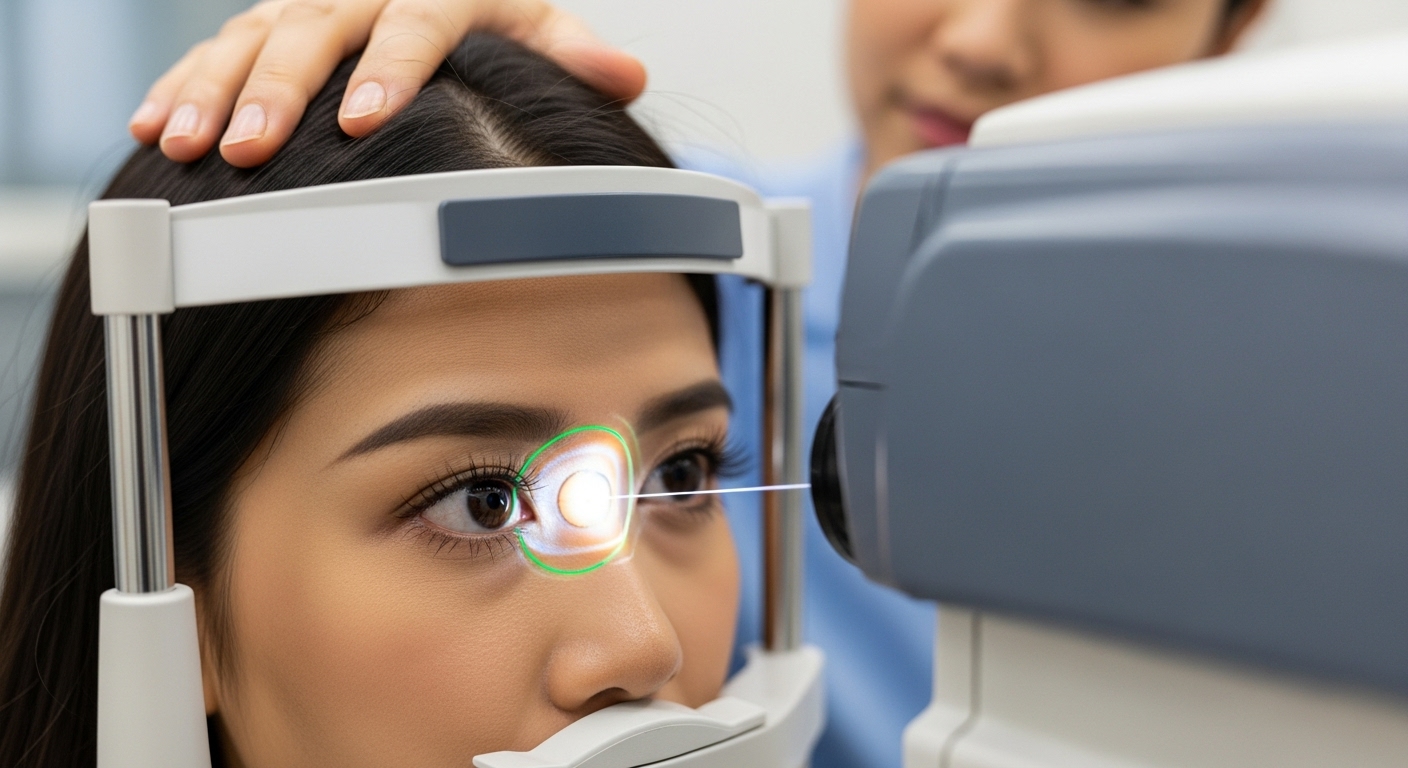
If you’re searching for glaucoma screening in Klang, early detection is the safest way to protect your sight. At Dr Diyana Eye Specialist Clinic in Pantai Hospital Klang, screening is led by Consultant Ophthalmologist Dr. Nor Diyana with a calm, patient-first approach—especially for adults with family history, diabetes, or previous eye injuries. A typical visit is quick and comfortable: we check eye pressure (IOP), examine the optic nerve with imaging, and run visual field testing to spot early changes you might not notice. To learn how we diagnose and manage glaucoma, explore our dedicated glaucoma service page. If you’re new to our clinic, you can also start with a baseline assessment via general eye services. Ready to protect your vision? Book a consultation and secure your screening today.
What Is Glaucoma & Who Should Get Screened?
Glaucoma is a group of eye diseases that damage the optic nerve and can lead to permanent vision loss if left untreated; because early stages are often silent, regular checks are essential. Authoritative overviews from the NHS and Mayo Clinic confirm that risk increases with age, family history, high eye pressure, thin corneas, long-term steroid use, and certain medical conditions. If you have diabetes, you’re at higher risk of glaucoma and other retinal problems, so it’s wise to combine glaucoma screening with diabetic eye disease evaluation. Many patients choose to start with a comprehensive baseline check via general eye services and then follow specific guidance on our glaucoma service page for ongoing monitoring in Klang.
What to Expect During Glaucoma Screening
Your screening is comfortable and typically includes a few quick tests that complement each other. We measure intraocular pressure (IOP) with tonometry and may check corneal thickness (pachymetry) to interpret IOP more accurately; these steps align with the diagnostic approach described by Mayo Clinic. We assess the optic nerve clinically and with imaging, and we perform a visual field test to map any subtle blind-spot changes; the American Academy of Ophthalmology explains how visual field testing helps detect early glaucoma damage even when your vision seems “normal.” If you’re coming in for your first check, you can book a complete exam through general eye services, and if you’ve previously been labelled a “glaucoma suspect,” our glaucoma service outlines how we tailor follow-up intervals in Klang based on your risk profile.
Early Action & Next Steps if You’re at Risk
If your results suggest risk or early glaucoma, the most important step is to start and stick with a monitoring plan—regular pressure checks, optic nerve imaging, and periodic visual fields—because timely action slows progression. For some patients, we begin with prescription drops aimed at lowering IOP; for others, we may recommend laser trabeculoplasty (SLT), an option discussed during your visit and supported with in-clinic resources on laser, eye injection & medical retina treatments. When glaucoma coexists with diabetic changes or retina issues, coordinated care through retinal care & treatment ensures both conditions are managed safely under one roof. If you’re unsure where to begin, our glaucoma service explains the pathway from first screening to long-term follow-up, and you can arrange your initial assessment anytime via general eye services.
FAQ
Is glaucoma screening painful?
No—screening tests are quick and comfortable. We measure eye pressure, examine the optic nerve, and assess your visual field. You can see the full pathway and what each test involves on our glaucoma service page, and if you’re new to our clinic you can start with a comprehensive assessment via general eye services. For background on why early tests matter, the NHS glaucoma overview explains how damage can occur even before symptoms are obvious.
Who needs glaucoma screening and how often?
People over 40, those with a family history of glaucoma, long-term steroid use, high eye pressure, thin corneas, diabetes, or myopia should screen regularly. In Klang, we typically advise a baseline check followed by intervals tailored to your risk; the schedule is outlined in our glaucoma service, and you can book your first appointment through general eye services. The Mayo Clinic guide provides a helpful overview of risk factors.
How long does a screening visit take and will my pupils be dilated?
Most visits take under an hour, including history, pressure checks and imaging; if dilation is needed for a clearer view, you may experience temporary light sensitivity. We’ll advise on driving and after-care during your visit. Details of our tests and follow-up are described on the glaucoma service page, and you can secure a convenient slot via general eye services.
Can diabetes increase my risk of glaucoma?
Yes. Diabetes is linked to several eye conditions and may increase glaucoma risk. If you live with diabetes, combine glaucoma screening with a retina check through our diabetic eye disease pathway so we can manage both safely. The NHS glaucoma overview also highlights systemic risk factors that warrant earlier and more frequent screening.
If screening shows early glaucoma, what treatments are available?
Many patients begin with prescription eye drops to lower intraocular pressure. In suitable cases, we may recommend selective laser trabeculoplasty (SLT), a clinic-based procedure that can reduce dependence on drops; you can read how we coordinate this within laser, eye injection & medical retina treatments. For ongoing care plans and monitoring timelines, visit our glaucoma service, and for general examinations you can book through general eye services. The Mayo Clinic treatment page summarises standard options used worldwide.
Is glaucoma curable?
Glaucoma isn’t “cured,” but with early detection and diligent follow-up we can slow or halt progression to protect your vision. That’s why routine screening is essential. Your personalised plan—including pressure targets, imaging schedule and field tests—is mapped out during your visit and described on our glaucoma service page. If you’ve not had a baseline exam yet, you can arrange one via general eye services, and broader guidance is available in the NHS glaucoma overview.
Protecting your sight starts with timely screening—especially if you’re over 40, have a family history, diabetes, or notice changes in your vision. At Pantai Hospital Klang, Consultant Ophthalmologist Dr. Nor Diyana provides a clear, step-by-step pathway from initial tests to long-term monitoring, with treatment options like targeted eye drops and SLT when indicated. If you’re comparing options or want to understand our approach, explore the full pathway on our glaucoma service page, and if you’re combining checks for multiple conditions, consider adding a retina evaluation through diabetic eye disease. When you’re ready to take the next step, book a consultation to schedule your glaucoma screening in Klang.
This article is for informational purposes only and should not replace professional medical advice. Please consult with qualified healthcare professionals for personalized medical guidance.